
Become a practitioner of regeneration
Learn
Practical pathways for sustainable living, community resilience, and ecological transformation from experts.
Connect
With ideas, people, and practices that expand your perspective and strengthen your sense of possibility.
Gain
Tools and inspiration to create impact in your own life and community.
🌱 Grow from here into the practitioner you are becoming 🌱
Previous Speakers
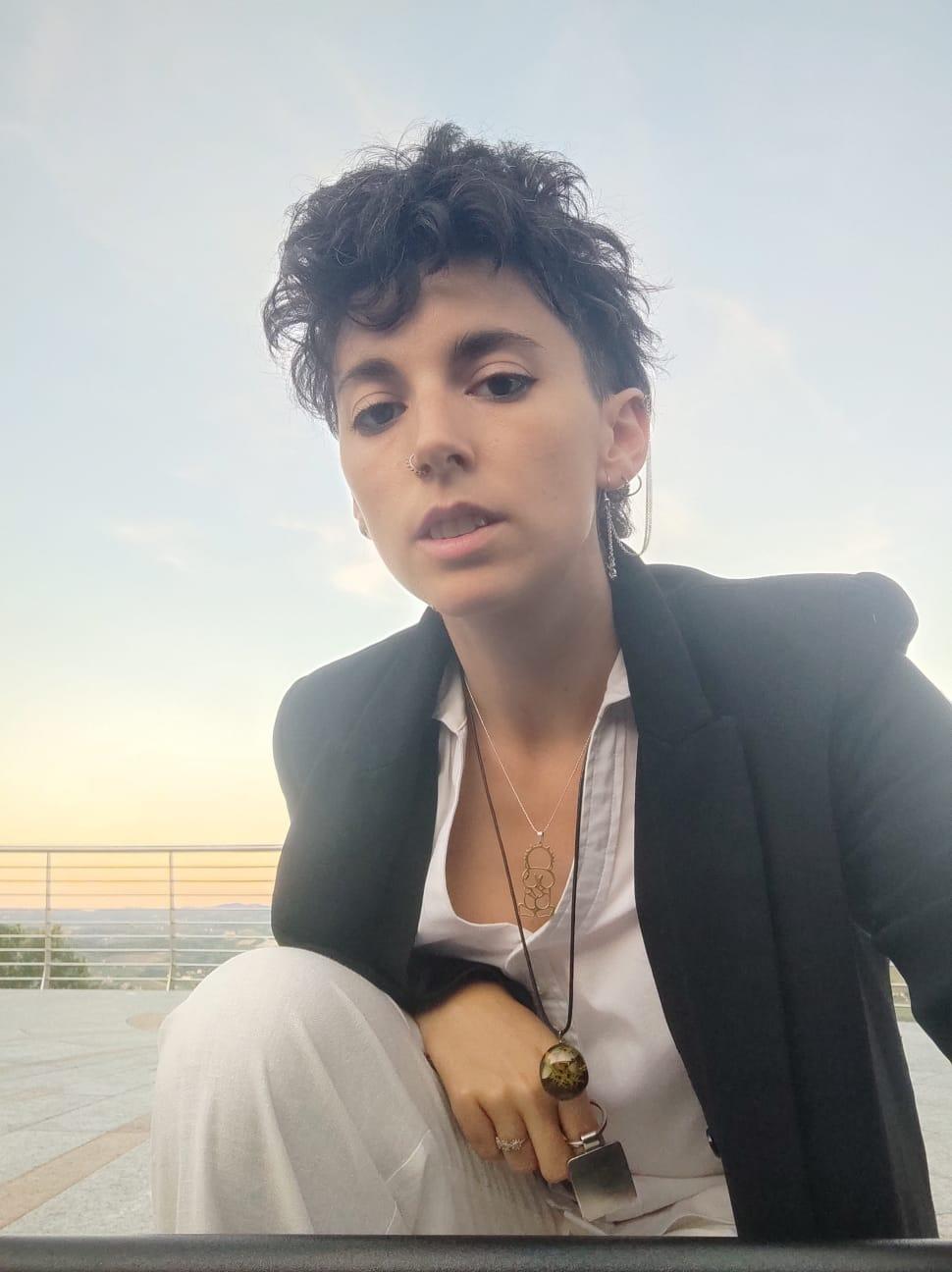
Alba Saez - 16th of September 7pm CEST
Food sovereignty
Alba is climate educator with an international background in environmental activism, education, and
community work, focused on food systems, climate justice, and collective participation.
Since adolescence, she has been involved in environmental education through volunteering with
Greenpeace and participation in school Agenda 21 projects. She holds a degree in Microbiology and a
Master’s in Agroecology, combining a strong academic foundation with practical experience in
sustainability and food-related issues.
Alba has served as president of the Swedish organization Bruised Food Club in Uppsala, where she led
initiatives addressing food waste and food insecurity. She has also worked as an environmental and
climate educator with Jordens Vänner (Friends of the Earth Sweden), Zero Waste Uppsala, and Back
to the Roots, facilitating workshops and activities on climate change, environmental justice, sustainable
living, and food.
She currently coordinates educational projects related to sustainability, food, and dance, and has
experience creating participatory learning spaces. Her work is dedicated to inspiring collective action
towards food systems that are more just, resilient, and rooted in the principles of food sovereignty.
Giorgos Nicolaou - 09th of September 7pm CEST
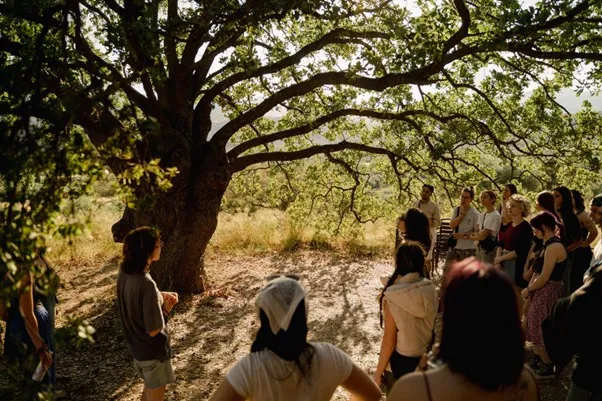
The principles and realities of eco-community living
Discover what it really takes to live in an eco-community in this interactive online seminar through the eyes of Hopelanders. Through real-life stories, practical scenarios, and engaging activities, you'll explore the principles, challenges, and everyday realities of building a thriving community.
Peter Gringinger - 02nd of September 7pm CEST
From Ecological breakdown to regeneration and flourishing
Peter is part of the Gaia Education's Projects Team and is a change agent and works with the use of whole systems, transition and regenerative design approaches, principles and methods, including permaculture, to provide support through integral and participatory facilitation for individuals, groups, neighborhoods, communities and organisations to co-create and co-design our sustainable futures of regenerative and thriving cultures, places, environments and local but globally networked livelihoods. Peter has a background and experiences in earth systems, environmental and sustainability sciences and has been involved in many small to large projects in these fields of practice in a number of countries and regions, with a recent focus on training, education and facilitation for regeneration. He is a Gaia Education certified trainer, a GEN Ambassador, Earth Charter Educator and Ecological Footprint Trainer and is or was actively involved with GEN Australia and Austria, Cohousing Australia and Transition Towns Austria and currently based near Vienna in Austria. One of his main areas of interest include pathways towards transforming our worldviews, beliefs, values, mind sets and attitudes towards the generation of regenerative cultures.
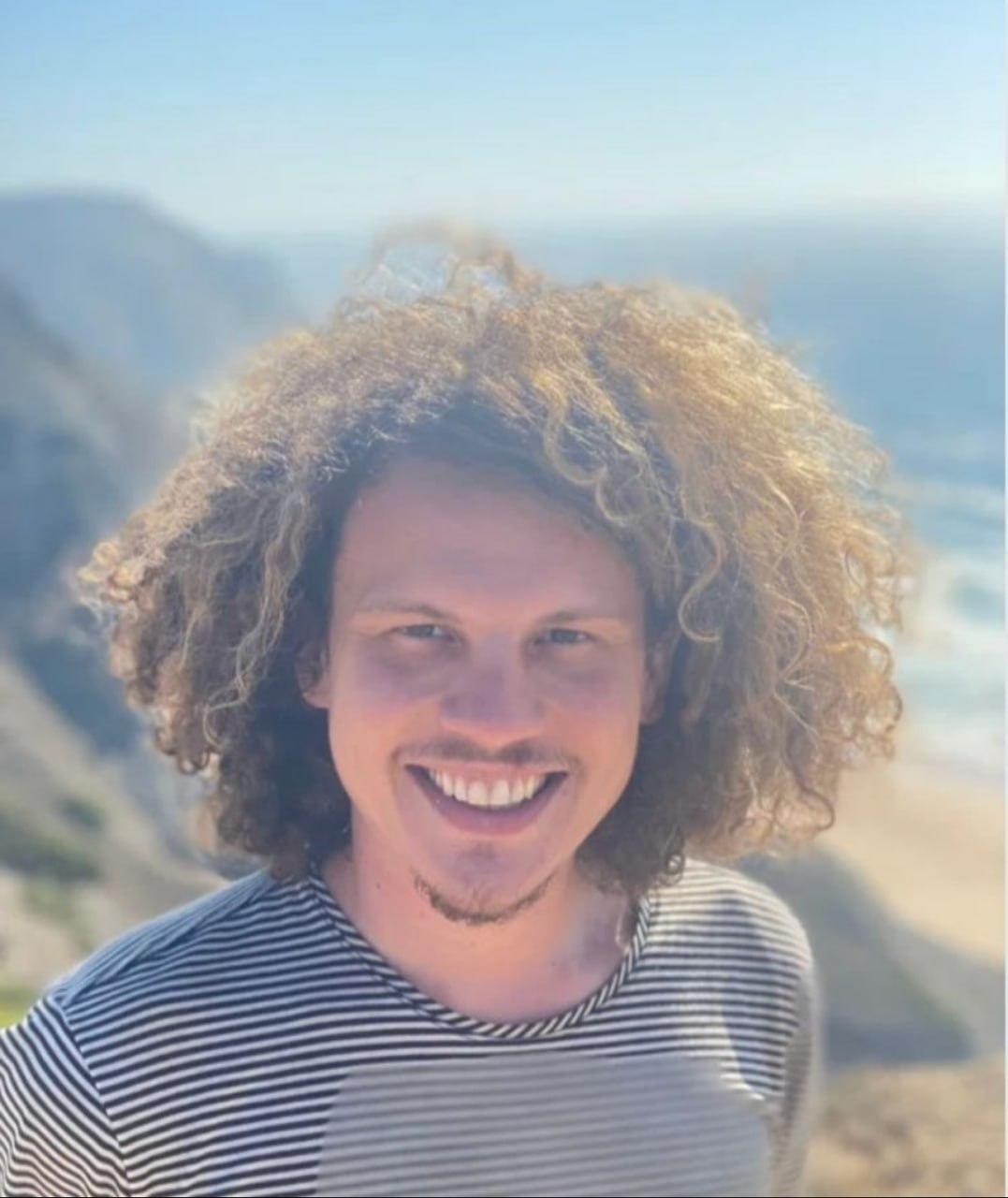
Gabriel da Rocha - 26th of August 7pm CEST
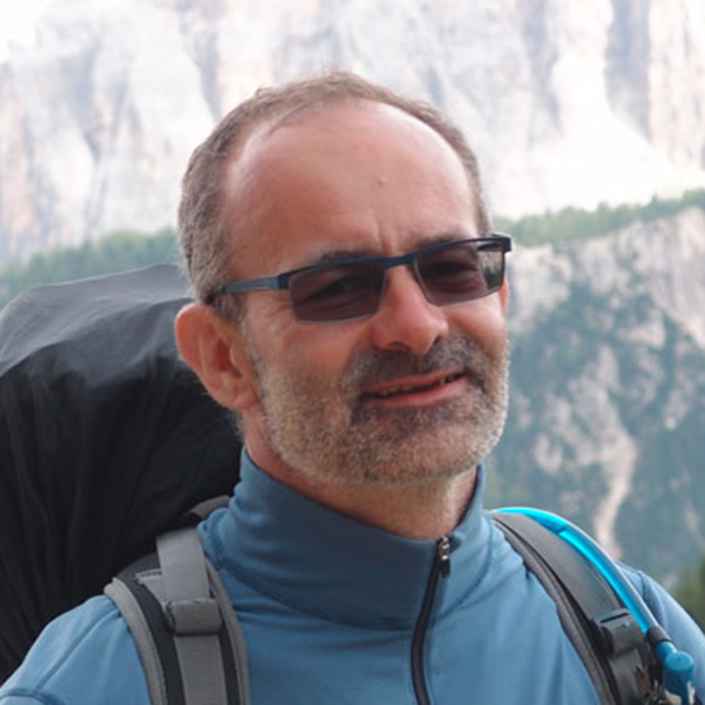
Horizontal Governance: Implementing Holacracy at Catfarm Intentional Community
Gabriel is a manager, designer, and facilitator of collaborative processes, specializing in horizontal governance inspired by Holacracy and Sociocracy. With a background in Business and Design, an MBA in Leadership, and a Master's degree in HR, he has over a decade of experience supporting organizations focused on social impact and human transformation. A co-founder of initiatives in Brazil and Europe, he has been part of Catfarm since 2020. He also collaborates with Les Pas Sages, accompanying communities in building resilient organizational models. Discover horizontal governance models inspired by Holacracy and Sociocracy that cultivate shared leadership, transparency, and equity. In this seminar, you'll explore core principles such as consent-based decision-making, circle structures, and distributed authority. Drawing on practical experience from Catfarm, we'll look at how communities can process tensions, move beyond traditional hierarchies, and build resilient, trusting cultures rooted in shared responsibility.
Damiano and Tommaso - 6th of August 7pm CEST
Nature-Based Solutions and Youth Mobility: Creating Social and Environmental Value in Inner Areas
Damiano Angelini a youth worker, project designer, and researcher focused on sustainability, Nature-Based Solutions, and non-formal education. He is part of New Wellness Education, where he works on European mobility projects and community-based initiatives linking young people, eco-communities, and rural territories. His work explores how regenerative practices and Nature-Based Solutions can foster social inclusion, environmental awareness, and local development, especially in inner and marginal areas

Tommaso Tonet is a junior research fellow in geography at the University of Turin, where he works with the Turin Metropolitan Food Atlas, overseeing the project’s communications and the production of the Turin Food Metrics Report — since 2022 — with studies on food systems focusing on rural areas, crowdmapping and consumers. He was also project manager for the Cuneo Metromontana Food Atlas, extending the research work to the rural and mountainous areas of Piedmont. Alongside his academic work, he is the main contact for the Campi Aperti association in Bologna within the European DEMETRA project. In addition to these commitments, he serves as a local councillor and works as a journalist, with a research approach consistently focused on the local area and public participation.


Saúl Nebot - 22nd of July 7pm CET
Imagine the utopia: Gamification tools in non formal education.
Saul Nebot is an environmental educator and agroecology practitioner from Spain whose work explores how learning can inspire socio-ecological transformation. With a background in youth work, non-formal education, and sustainability, he brings together practical experience and creative educational approaches.
Saul has found in utopian thinking a powerful way to imagine and promote alternative futures, encouraging people to question current systems and explore pathways toward more just and regenerative societies. He also uses gamification as a tool to reflect on what needs to change, making complex topics easier to understand through play, participation, and shared learning.
As founder and president of Back to the Roots, Saul promotes environmental awareness through hands- on and community-based education. Drawing on his background in environmental sciences, sustainable design, and agroecology, he combines technical knowledge
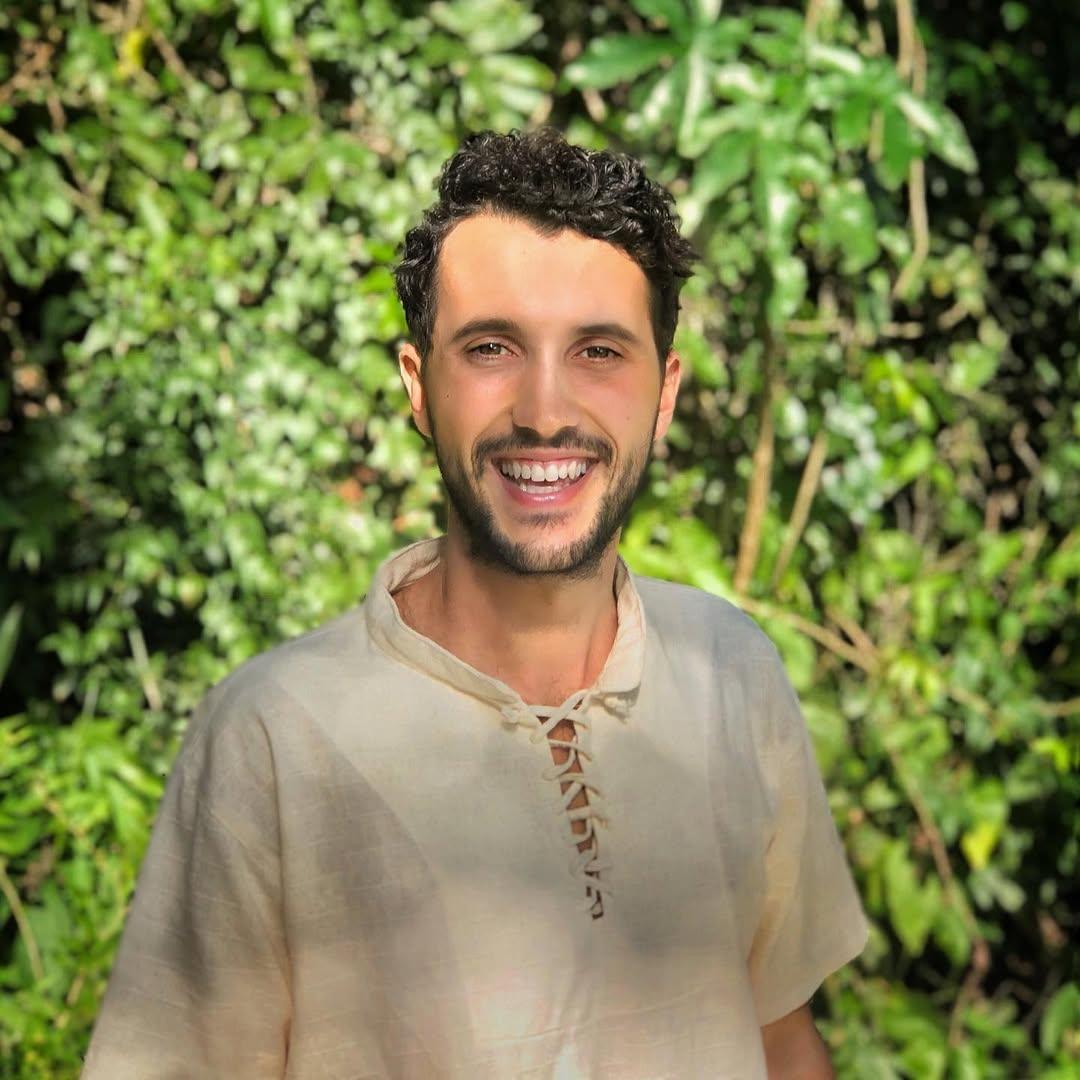
Yan and Richard - 8th of July 7pm CET
Sharing tools for Youth Eco-Activism
Richard Hennery is a programme manager and education specialist with over ten years’ experience designing and stewarding conservation education initiatives across Africa and Europe. He holds a Master’s from the University of Sussex in International Education and Development and has led landscape-level programmes in Zambia and Kenya, working with schools, communities and conservation partners to develop more holistic, place-based approaches. His work focuses on supporting young people to connect with nature, explore local issues and take collective action through participatory and systems-based learning. He has also coordinated international programmes, including the Erasmus+ Youth Action for Nature and Wellbeing (YAFNAW) project, where he led a coalition in creating tools for youth eco-activism.

Yan is graduated in engineering, He has been part of the ecovillage movement, helping run educational programmes across different places in the world. Yan works at Gaia Education for over 5 years coordinating and co-creating online regenerative learning programmes with lead practitioners in the field.
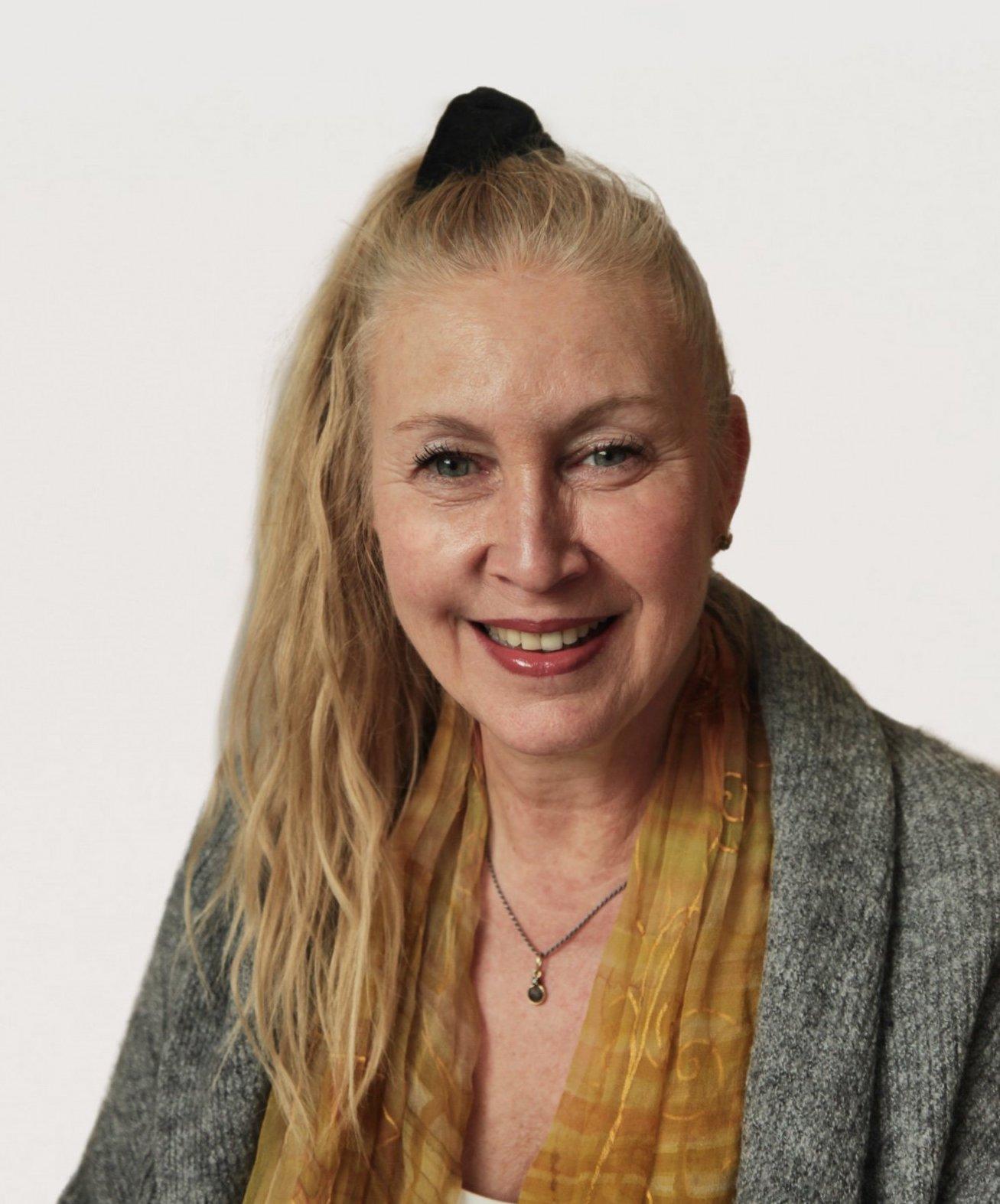
Macaco Tamerice - 24th of June 7pm CET
Trauma-Informed Communication
Macaco (Martina Grosse Burlage) is a sociologist, a life coach for meaningful relationships specialized in trauma work, inner transformation, community-building, leadership, and conflict resolution. She has been living at Damanhur, Federation of Communities, since 1993, where she has held many roles of social and artistic responsibility, including serving as a Guide of the Federation. In 2008, she became Vice President and later President of the Global Ecovillage Network-Europe (GEN Europe) until 2015. She now serves on GEN’s Network Steward Circle, as one of GEN’s UN representatives, and as President of the NGO Damanhur Education.
Nicolas Filippini - 10th of June 7pm CET
'The Art of Self-responsibility in Community'
Nicolas holds a Master’s degree in International Negotiation and has professional experience in medium-sized enterprises and startups. Later, he complemented this experience with training in ICF coaching and applied communication techniques, including NVC and NLP, before transitioning into community living. Based at Catfarm, an international intentional eco-village, his work now focuses on regenerative living, eco-building, and group dynamics and care.
He will deliver a workshop entitled “The Art of Self-Responsibility in Community,” exploring how we relate to emotions, responsibility, and conflict within group settings. Drawing on lived experience and facilitation practice, he presents practical tools to identify imbalances, strengthen empowerment, and foster conscious, consent-based, and harmonious ways of living and working together.

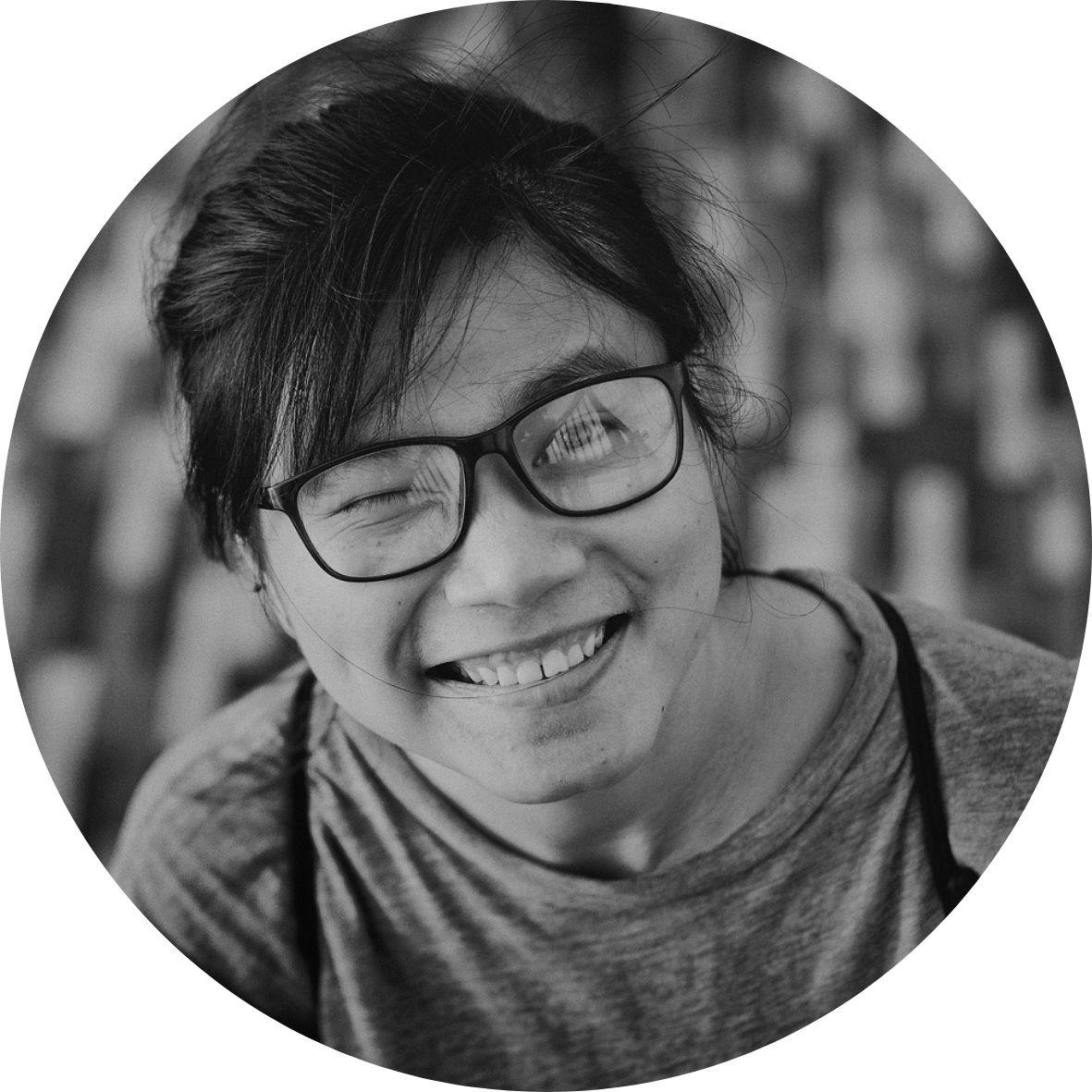
Thao Kin - 20th of May 3pm CET
A Taste of Deep Ecology
Kin is a Deep Ecology practitioner, educator, and community weaver from Vietnam. With over 15 years in ecological education and a foundation in Sustainable Development, she’s designed and facilitated transformative learning experiences across non-formal settings — as a trainer, curriculum designer, and space-holder for deep connection. For Kin, Deep Ecology isn’t just theory — it’s a way of being. She began her journey with it in 2016 and has facilitated the Work That Reconnects since 2019 — guiding people back into relationship with the living Earth through embodied practice, reflection, and collective care. Driven by the belief that love for life grows through experience, she co-founded Project AWE — an eco-community in northern Vietnam — with a circle of kindred spirits. Today, she also serves as Coordinator for the Global Ecovillage Network (GEN) – Oceania & Asia, helping weave regional networks of regenerative living.
Cristhian Scorrano - 6th of May 7pm CET
Pronoic Cuisine and Zero Waste Cooking: Food as a Mindful and Community Practice
Cristhian is a cook, facilitator, and sustainability practitioner whose work connects food, ecological awareness, and community life. His approach is rooted in the zero waste philosophy and in what he calls pronoic cuisine: a positive, fluid, and mindful way of relating to ingredients, cooking processes, and shared meals. Pronoia, from the Greek πρόνοια, refers to the idea of providence or forward care, a perspective that shifts attention from control and scarcity toward trust, possibility, and relational awareness. Through practical experiences and educational moments, he promotes a food culture that fosters wellbeing, creativity, and collective responsibility.

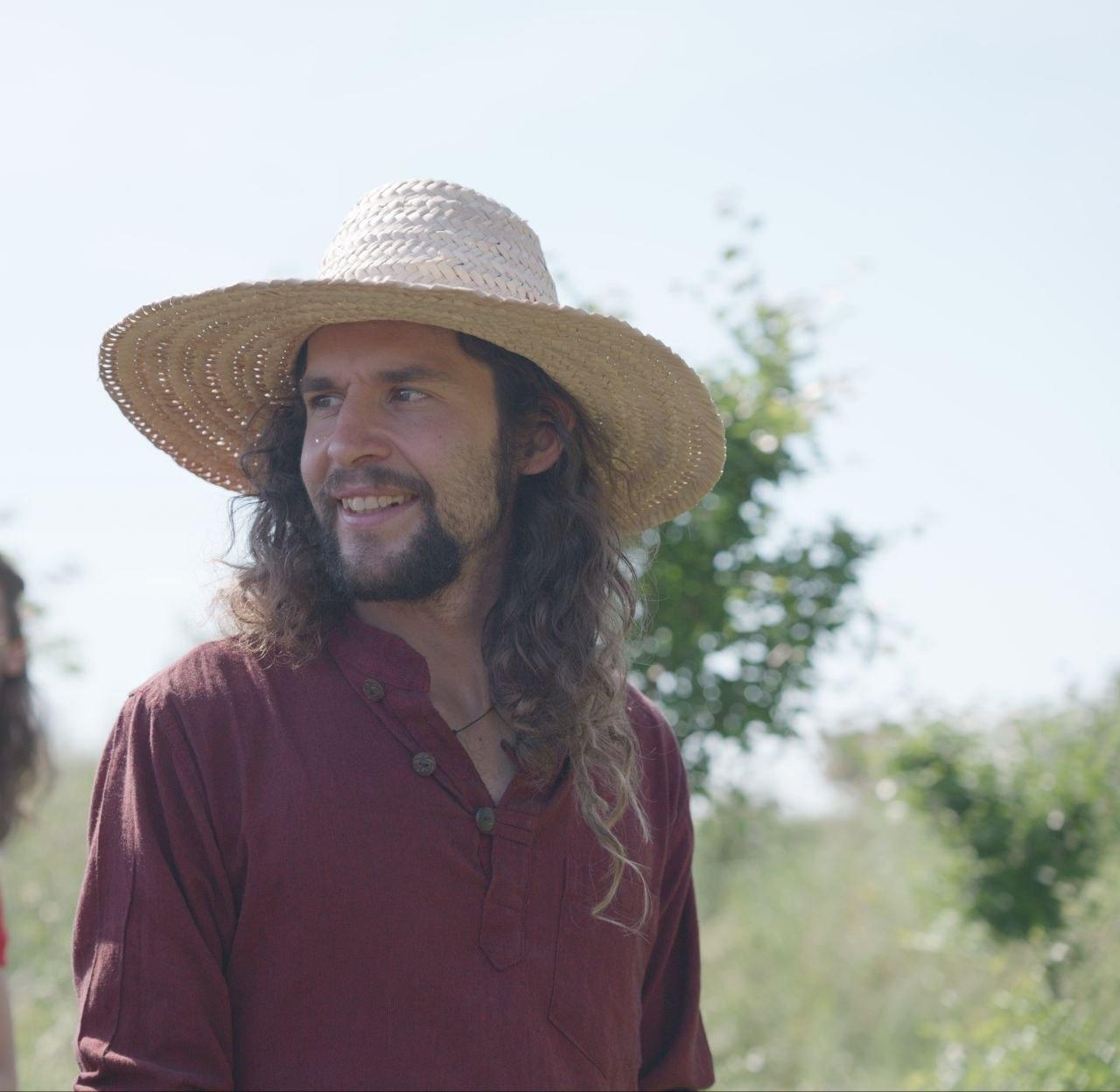
Dara Casey - 22nd of April 7pm CET
Reimagining Agricultural: a look at regenerative pasts, presents and futures.
Dara has been studying and practicing regenerative agriculture since 2017. These studies have included spending time with indigenous farmers practicing ancestral methods, such as Mayan and Xocimilcan farmers in Mexico, Amazigh farmers in the Oases of Morocco, and the Karen forest people in Northern Thailand, and also modern methodologies, studying at, among other places, a research centre for syntropic agriculture in Brazil.
He will be giving a workshop on regenerative agriculture, in which he explores the question of how we have arrived at our contemporary land management practices, as well as offering the insights into different regenerative practices from around the world.
This webinar series is part of ECOSystems (Erasmus+ KA220-YOU, 2023-2-FR02-KA220-YOU-000179634), a partnership of Catfarm Education, Hopeland, New Wellness Education, Back to the Roots and Gaia Education.

Co-funded by the European Union. Views and opinions expressed are however those of the author(s) only and do not necessarily reflect those of the European Union or the Agence du Service Civique. Neither the European Union nor the granting authority can be held responsible for them.