

EDE - Mpumalanga, South Africa
Overview
Type: Face to Face
Start Date: August 29th 2027
End Date: September 25th 2027
Website: entabeni.earth
Contact: mr_kekana@yahoo.com
Certified by:
Hosted by:

Why this course?
Our principles are based on caring for the Earth and humanity, and for participating in and practicing fair trade and Ubuntu. (“Ubuntu” is an African expression of ancient wisdom, which is echoed by all ancient civilisations. It simply means “unity within community” where everyone contributes their natural talents or acquired skills for the greater benefit of all).
The co founder of Entabeni Eco Retreat Lucky Kekana has been involved in community work for the past 24 years. At the age of 19 he worked for Miles and Associates International, empowering the youth and communities in South Africa through sports and life skills (HIV awareness, parental planning etc.).
He helped to develop and pioneered the Khula Dhama Eco Village in Eastern Cape, South Africa and has previously worked as ambassador and coordinator for GEN Africa, organizing and facilitating EDE courses throughout South Africa. Lucky studied permaculture with Bill Mollison and Geoff Lawton and co-created educational centre Mama Na Bana in Congo, where he built structures for and taught permaculture principles to Indigenous Batwa. He resides in the Sahullube Village with his family since 2015, where he has built his home and small farm, acquiring 10 hectares of the land from the local Tribal Authorities for this project.
The programme includes:
Living and learning environment practicing community building exercises, conflict resolution methodology, trauma resilience work, within a beautiful natural surrounding offering:
- hiking, swimming and space for meditation.
- Co-creating and building community’s self sustainability
- Education and
encouragement of right choices - Impacting future generations
- Healing
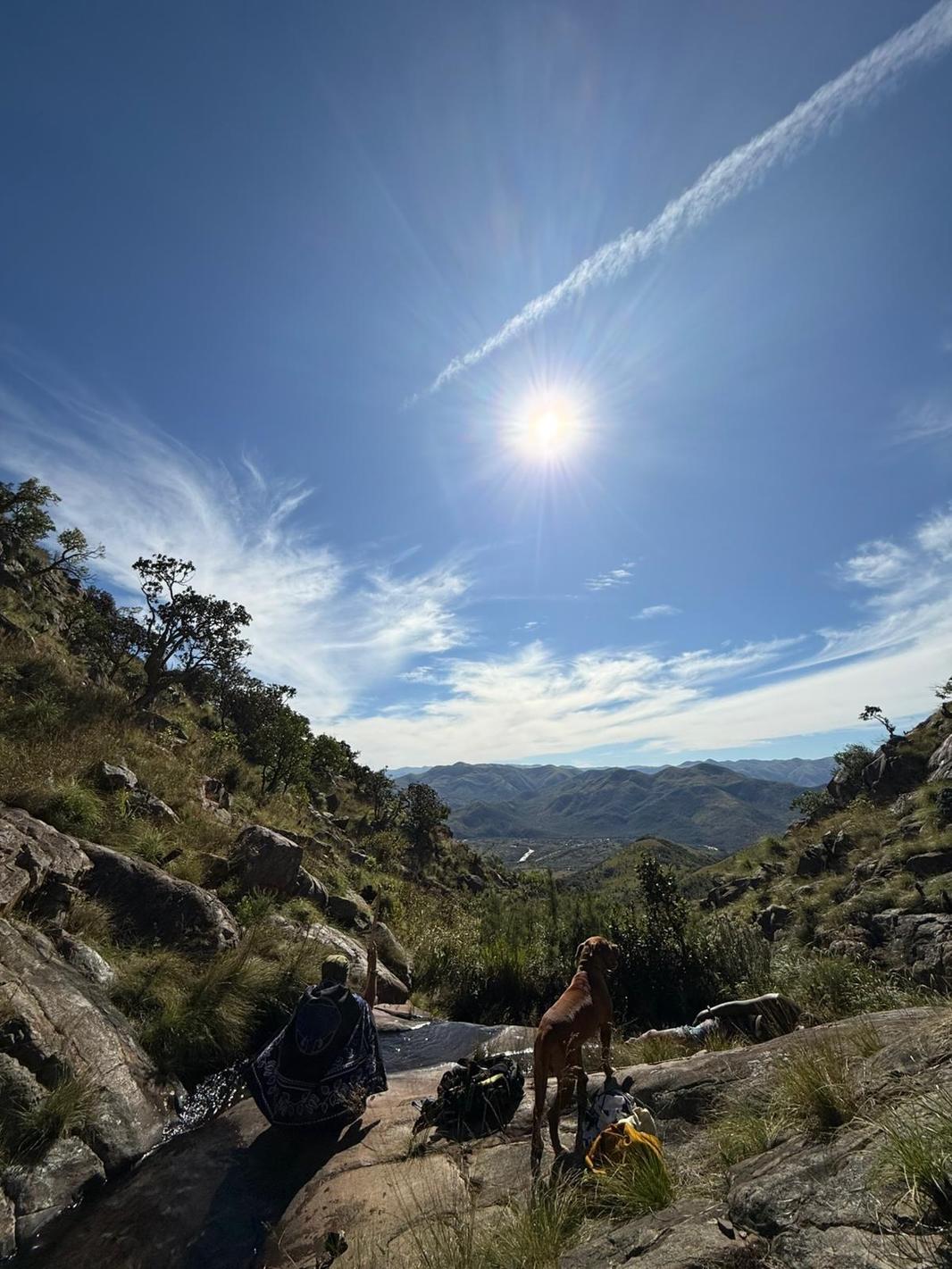
First hand experience living and learning within an Ecovillage setting in rural South Africa on the World Heritage Site in the mountains of Mpumalanga, renowned for its abundance in medicinal plants.
Participants will experience living off grid, using solar energy for electronics and lights, and for cooking. Composting and compost toilets, permaculture garden, water management systems, natural houses as well as participating in natural building.
Overview of work economics, local economics, Asset Based Community Development process, Dragon Dreaming & Empowered Fundraising. Participants local market for trade or barter within group co creation of cooperative & small enterprises; oil pressing: Marula oil.
Sharing of varying cultures through presence of participants and sharing of their stories and projects. Morning mindfulness gatherings and modules connecting with nature, body and mind.

How to run an EDE?
Several of our EDE graduates have carried on organising EDE programmes in their local areas, and you are warmly encouraged to do so after completing your course.
The recommended time frame of an EDE is four weeks, however this is not fixed and varies with each individual programme.
The material can be condensed into smaller workshops, spread out over a longer period, or distributed in blocks at different times and locations.