

Inside the Ecovillage Design Education Programme at Alaya Ecolodge
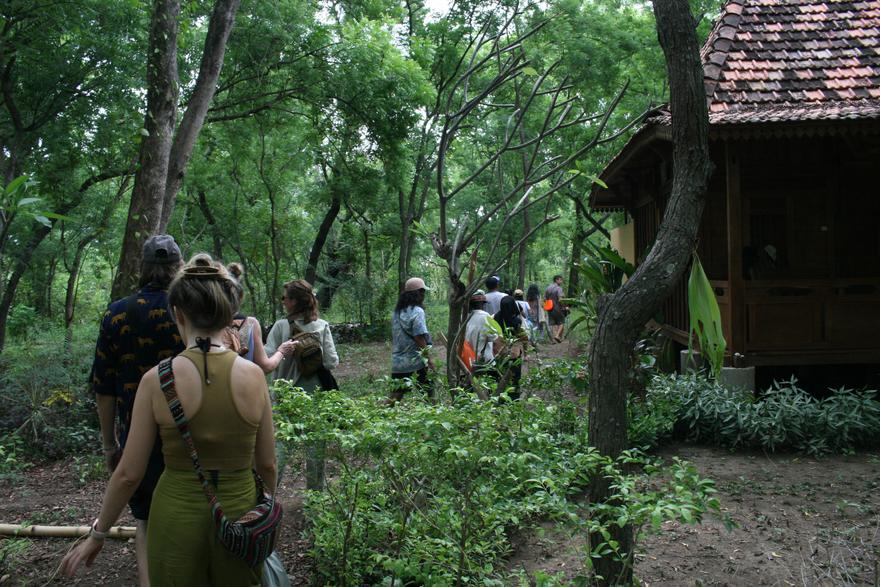
Regenerative Living in North West Bali
What does regenerative living actually feel like when it’s not just a concept, but a way of life?
For several weeks in North West Bali, that question was lived, breathed, cooked, designed, and deeply felt through the Ecovillage Design Education (EDE) programme at Alaya Ecolodge. Nestled near Bali Barat National Park in Pemuteran, Alaya became far more than a beautiful retreat—it transformed into a living laboratory for regeneration, community, and bioregional transition.
This programme went beyond traditional classroom learning, integrating participants into the "Conscious Collective"—a visionary bioregional transition involving four distinct areas focused on wellness, indigenous forestry, co-operative economics, and long-term ecovillage education.
A Global Community, Rooted in Place
One of the most powerful aspects of the programme was the diversity of the community that formed almost instantly.
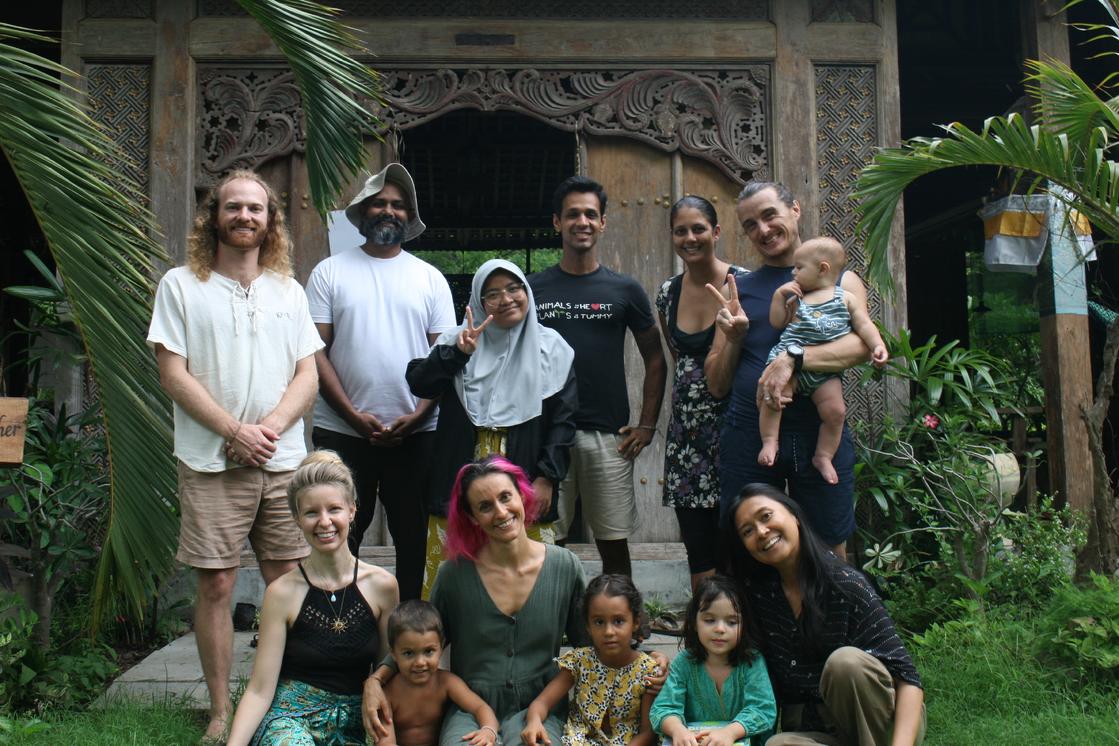
Twelve participants arrived from across the world—Canada, Taiwan, Korea, England, India, Singapore, Malaysia, Australia, and Indonesia—bringing with them a wide range of cultural perspectives and lived experiences. Ages ranged from 28 to 56, with a perfect 50/50 gender balance.
Adding a rare and beautiful element, the community included four children, from just seven months old to five years old. Their presence grounded the experience in reality, reminding everyone that ecovillage design isn’t theoretical—it’s about creating systems that genuinely support multi-generational life.
The facilitation team mirrored this diversity, with 11 facilitators from Indonesia, Sri Lanka, the United States, the Netherlands, France, and India. With seven facilitators based in Indonesia, the programme remained deeply rooted in local context while drawing on international ecovillage expertise.
Learning Through Head, Heart, and Hands
The EDE followed a rhythm that was both rigorous and nourishing, intentionally designed to engage the Head, Heart, and Hands. This approach was woven together with Tri Hita Karana, the Balinese philosophy of harmony:
-
Pawongan – harmony among people; Fostering peaceful relationships among people, based on respect, and mutual cooperation.
-
Palemahan – harmony between people and nature; Preserving the balance and sustainability of nature and the surrounding environment through an eco-friendly and responsible attitude.
-
Parhyangan – harmony with the divine and inner life; Maintaining a harmonious and balanced relationship with the divine through connecting to one’s inner self, and through offerings
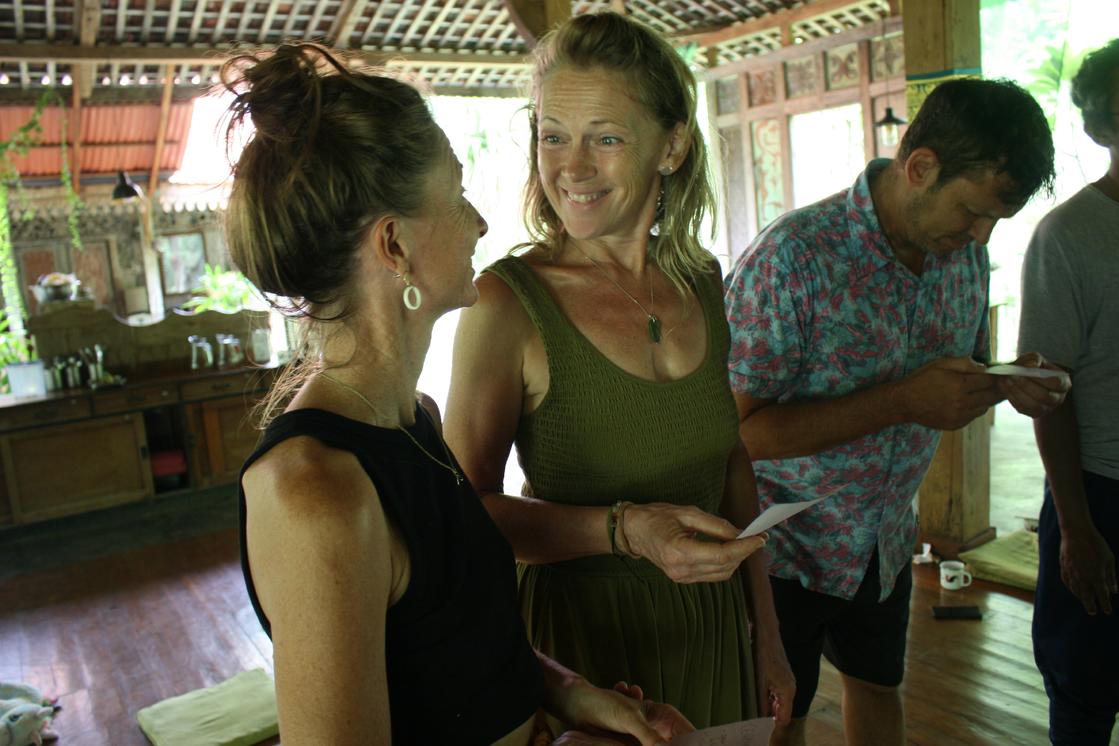
Days began early, often at 6:00 AM, with mindfulness practices such as tea ceremonies, nature-connection walks, and embodied awareness exercises. These morning practices aligned with weekly elemental themes—Air, Earth, Water, and Fire—setting a tone of presence and intention.
A typical day unfolded like this:
-
Morning Practice (Heart): Somatic and nature-based practices to open the heart and ground the group
-
Morning Sessions (Head): Emotional check-ins followed by theory covering the four dimensions of sustainability—Social, Ecological, Economic, and Worldview—alongside ecovillage design frameworks
-
Afternoon Sessions (Hands): Practical design work, excursions to regional ecological projects, and hands-on learning
-
Evening Social Space (Heart): Music, movement, storytelling, and deep sharing that strengthened trust and connection
From Monday to Friday, participants engaged for around eight hours a day, with weekends left open for rest, integration, or exploration. Regeneration here wasn’t just studied—it was practiced daily.
The Conscious Collective: A Four-Site Vision
A standout feature of the programme was the introduction of the “Conscious Collective”, a visionary bioregional model for long-term regenerative transition in North West Bali. Rather than concentrating everything in one place, the Collective works through four interconnected sites, each serving a distinct purpose:
-
Alaya – the existing eco-lodge, hosting permaculture, ecovillage design, and wellness retreats
-
Alam – a future eco-nursery dedicated to indigenous forestry, seed banks, and regenerative farming experiments
-
Aum – a planned eco-market, grocery co-op, and café providing affordable organic food for locals while using tourism to support farmers and producers
-
Aura – a future eco-school and campus designed for longer-term, immersive ecovillage education
Together, these sites offer a tangible blueprint for how regeneration can unfold at a bioregional scale, integrating education, economy, ecology, and community life.
Lasting Impact Beyond the Programme
One of the EDE’s greatest successes was its ability to be both financially and educationally sustainable. By balancing scholarship participants with income-generating attendees, the programme fully funded a Training of Trainers for its facilitation team.
This investment is already bearing fruit. Several newly trained facilitators are now prepared to host future EDE programmes at three newly identified sites across Indonesia—Ubud (Bali), Desa Laguna, and Lantan (Lombok).
Participants didn’t leave with just certificates. They left with practical design tools, lived experience, and strong communal bonds—the essential ingredients for creating regenerative human settlements in the real world.
A Milestone for Regenerative Futures in Bali
By weaving together Balinese wisdom, international ecovillage theory, and hands-on community living, the EDE at Alaya Ecolodge marked a powerful milestone for ecovillage development in North West Bali.
As the Conscious Collective continues to grow, this programme stands as proof that regenerative living isn’t a distant ideal—it’s already happening, one community, one landscape, and one shared vision at a time.

0 comments
Leave a comment