

News and Articles
Articles
Connective Roots: Why This Course Can Transform the Way We Build Culture
What makes a community truly thrive?
Is it shared values, collective goals, or strong leadership? According to Root Cuthbertson and Joyce Peters, facilitators of Gaia Education’s upcoming Connective Roots course, the real foundation is connection.
In this video conversation above, Root and Joyce share why this nature-based framework has been so transformative in their lives and why they’re passionate about bringing it to communities around the world.
A Nature-Based Framework for Connection
T…
A Conversation with Dr. Lyla June Johnston

We recently had the honour of hosting a powerful live conversation with Dr. Lyla June Johnston, Indigenous scholar, poet, and activist, to explore the themes and intentions behind our new course: Indigenous Knowledge Systems, starting September 8th.
During the session, Dr. June shared moving insights about the role of ancestral wisdom in today’s world, the importance of unlearning colonial ways of thinking, and how Indigenous knowledge systems can guide us toward a regenerative and relational f…
My Journey with Gaia Education - by Yan Teixeira
Gaia School’s 10th anniversary

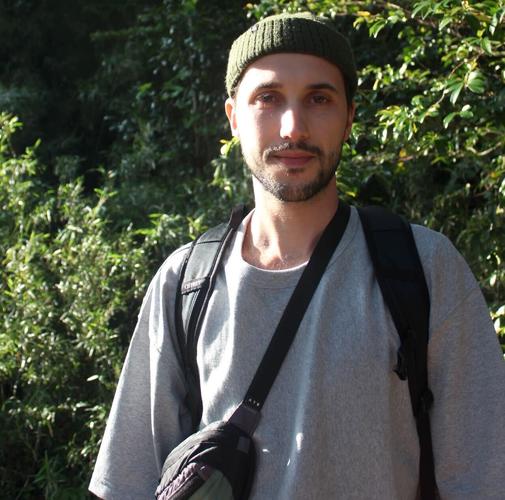
In 2024 Gaia School celebrated its 10th anniversary – ten years of educational journey marked not just by the passage of time but by growth in knowledge and collaboration. It has been a path shaped not only by lessons taught but also by values lived – lessons that have touched students, teachers, and the wider community.
Throughout these years, the school has grown from a small primary initiative into a full-scale general education school. New classes, teachers, learning opportunities, and coop…
What if Women Designed the City?

Historically, modern cities have been planned and built primarily by taking the men’s experience as a reference. As a result, cities tend to function better for men than they do for women, children, older people, all levels of ability and gender identities.
However, a shift is underway – women are stepping up as key protagonists in shaping our cities, and there is a growing interest in a mosaic of gender-sensitive policies and interventions springing from cities such as Vienna, Barcelona, Gabor…
Celebrating 20 Years of Gaia Education - our brief history
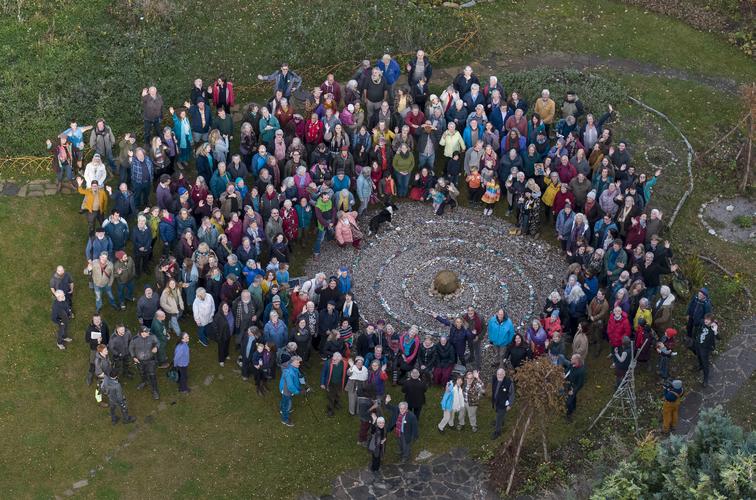
In 1995, a landmark conference was held at Ecovillage Findhorn in Scotland, uniting around 400 individuals and eco-communities from all corners of the globe. This historic event marked the birth of the Global Ecovillage Network (GEN), a movement that would go on to inspire communities and individuals committed to creating a more sustainable, regenerative world.
In those early days, the focus was on connection—sharing experiences, learning from one another, and showcasing the best practices from…
Empowering Youth Through Participatory Innovation

💡 What does it take to empower youth as changemakers in their communities?
Learn how the IN.PACT project is equipping young people with participatory skills to drive social inclusion and resilience across Europe.
In November, Gaia Education and its partners officially launched the IN.PACT project—a two-year Erasmus+ initiative aimed at equipping young people and youth workers with participatory skills to foster inclusion and resilience. The kickoff meeting brought together four organizations fro…
Building a Regenerative Future Together

What is "Systems Thinking"?

🌀Creating Sustainable Designs with a Whole-Systems Approach

Image from Pixabay MysticArtDesign
To design sustainably, we must recognise the interconnectedness of both challenges and solutions. This is where a whole-systems approach comes in—it takes a comprehensive look at all elements of a system and their interactions to create efficient, sustainable outcomes.
“a collection of subjects or elements that have a relationship among themselves.”