

CASA Latina: Weaving Resilience Across a Continent
CASA Latina: Weaving Resilience Across a Continent
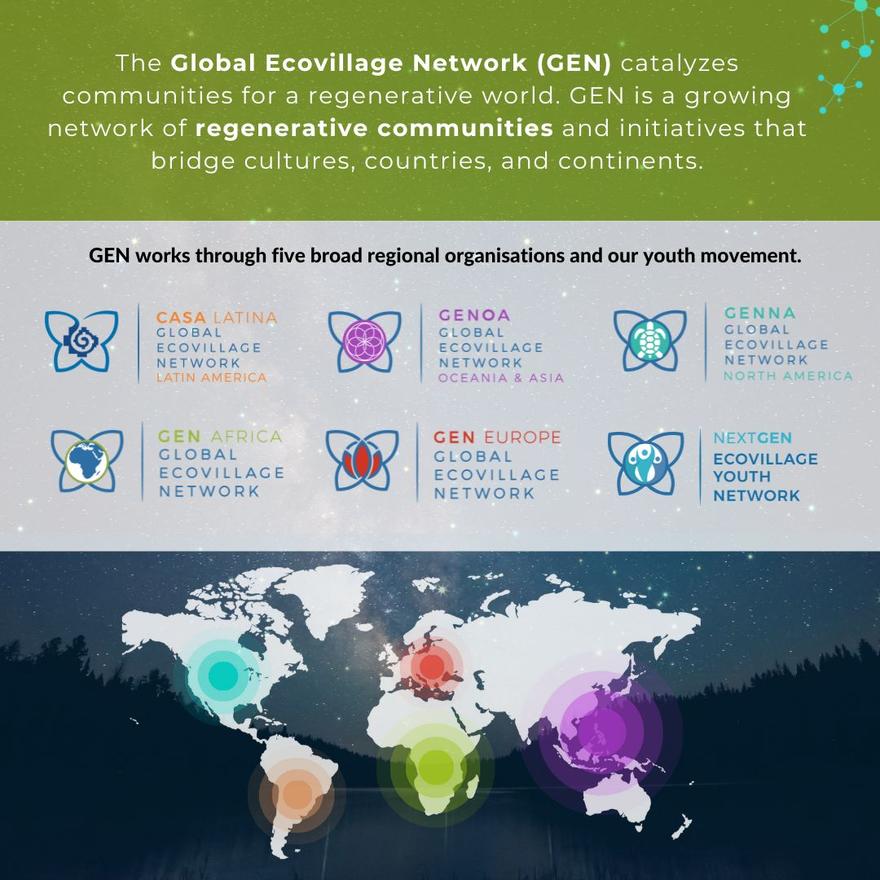
There was a time when Latin American ecovillages and regenerative communities were already part of the global conversation, yet did not fully have their own continental voice.
Many were connected to the Global Ecovillage Network (GEN) through the Ecovillage Network of the Americas (ENA), the regional articulation that brought together North, Central, and South America. Through ENA, Latin American communities participated in global gatherings, shared methodologies, and contributed to the growing international movement for sustainable living.
And yet, something essential was missing.
Across Latin America, communities were organised in Spanish and Portuguese, rooted in territories shaped by Indigenous cosmologies, Afro-descendant resistance, campesino traditions, and deep histories of ecological knowledge. Conversations within ENA often unfolded in English, and regional particularities—political, cultural, linguistic—needed more space to breathe.
Out of this realization, a new articulation began to take shape.
The spirit that would become CASA Latina had already been traveling the continent. The Rainbow Caravan for Peace (Caravana Arcoíris por la Paz) journeyed across borders, weaving together communities, artists, activists, farmers, and visionaries. It was not simply a caravan—it was a living thread stitching the Americas together. Among its central inspirations was Alberto Ruz Buenfil, known as Coyote Alberto Ruz, whose vision embraced continental unity, ecological regeneration, cultural diversity, and peace-building through community life.
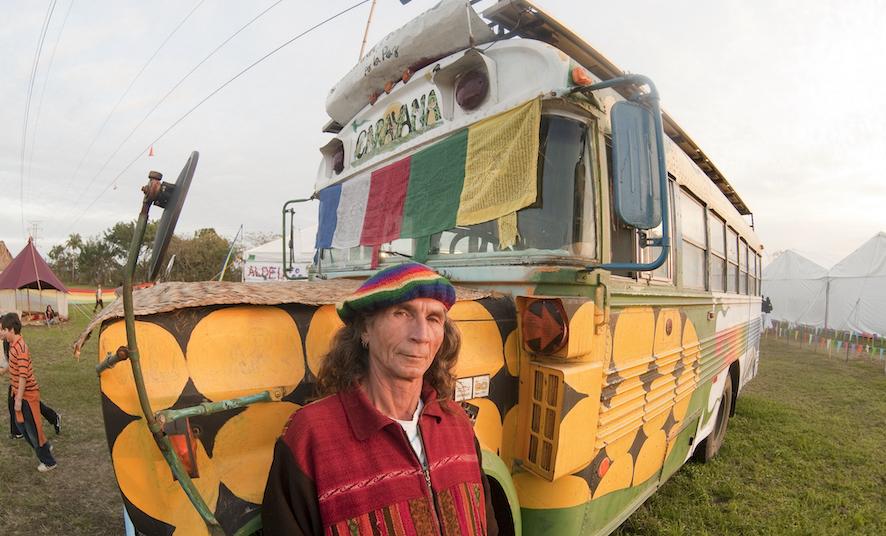
The Caravan planted seeds of trust and collaboration. It nurtured relationships that would later crystallize into networks. It awakened a sense that Latin America could and should organize itself—speaking from its own languages, its own contexts, its own territorial realities.
In 2012, that seed took form. The Consejo de Asentamientos Sustentables de América Latina (CASA Latina) was formally constituted during a Call of the Mountain in the Atlantida Ecovillage (south of Colombia). In a remarkable parallel moment, GEN Africa was also established that same year. Both CASA Latina and GEN Africa became recognized regional networks within the Global Ecovillage Network, marking a historic decentralization of the global movement and a strengthening of regional autonomy.
For Latin America, this was more than administrative recognition. It was the affirmation of a continental identity. It was the acknowledgment that resilience and regeneration in the Global South carry unique textures—shaped by decolonization challenges, regeneration processes, biodiversity and inequality, spiritual cosmologies and social innovation.
From the beginning, CASA Latina was not only a network of intentional ecovillages. It consciously embraced traditional communities, Indigenous territories, Afro-descendant councils, rural cooperatives, and urban regenerative projects. It became a bridge between intentional and ancestral forms of community.
Over time, the global context shifted. Climate disruption intensified. Biodiversity loss accelerated. Political polarization and economic instability deepened. In this unfolding polycrisis, CASA Latina’s work evolved from sustainability toward something more profound: resilience and regeneration.
Resilience, in the Latin American context, is not merely the ability to bounce back. It is the capacity of communities to remain rooted while adapting; to preserve cultural memory while innovating; to strengthen cohesion and trust in the face of disturbance; to transform without losing identity. It includes spirituality, territory, collective governance, and the regeneration of degraded ecosystems.
This shift became especially visible in the strengthening of courses and training, such as the Diploma of Ecovillages Design and Ecovillage Design Education (EDE) across the region. While grounded in GEN’s global methodology, the Latin American trainings deepened its emphasis on biocultural regeneration and social-ecological resilience. Courses began integrating conflict transformation, adaptive planning, emergency preparedness, ecosystem restoration, and community-based economies—alongside ancestral wisdom traditions and participatory governance practices.
Resilience was no longer an abstract concept. It became embodied in territories.
CASA Latina’s commitment to resilience also found expression through active participation in research initiatives such as Ecovillage Resilience Project. Member communities contributed experiences, data, and case studies that helped adapt resilience frameworks to real-world contexts.
In Mexico, Huehuecoyotl brought decades of lived experience in collective governance and cultural creativity.
In Brazil, Piracanga demonstrated integration between spirituality, ecological design, and regenerative economy.
In Uruguay, La Tierrita explored sustainable livelihoods and community cohesion.
In the Colombian Caribbean, Centro UBUNTU within the Rosario Islands community embodied resilience in a marine–coastal bioregion facing intense tourism pressure and ecological vulnerability.
In the Andean region of Colombia, Aldea Feliz contributed educational models and long-term community processes.
Each territory carried its own story. Each revealed that resilience is relational before it is technical.
Today, CASA Latina stands as a continental fabric—woven from journeys like the Rainbow Caravan, strengthened through its 2012 formal recognition within GEN, and continuously renewed through regenerative education and resilience research.
It is a network that speaks in Spanish and Portuguese. It moves between intentional and traditional communities. It bridges grassroots practice and global dialogue.
In times of uncertainty, CASA Latina does not offer a blueprint. It offers something more alive: a living web of territories committed to regenerating life—soil, culture, relationships, and hope—across Latin America.
Written by Margarita O Zethelius from CASA Latina (Consejo de Asentamientos Sostenibles de Latino America).
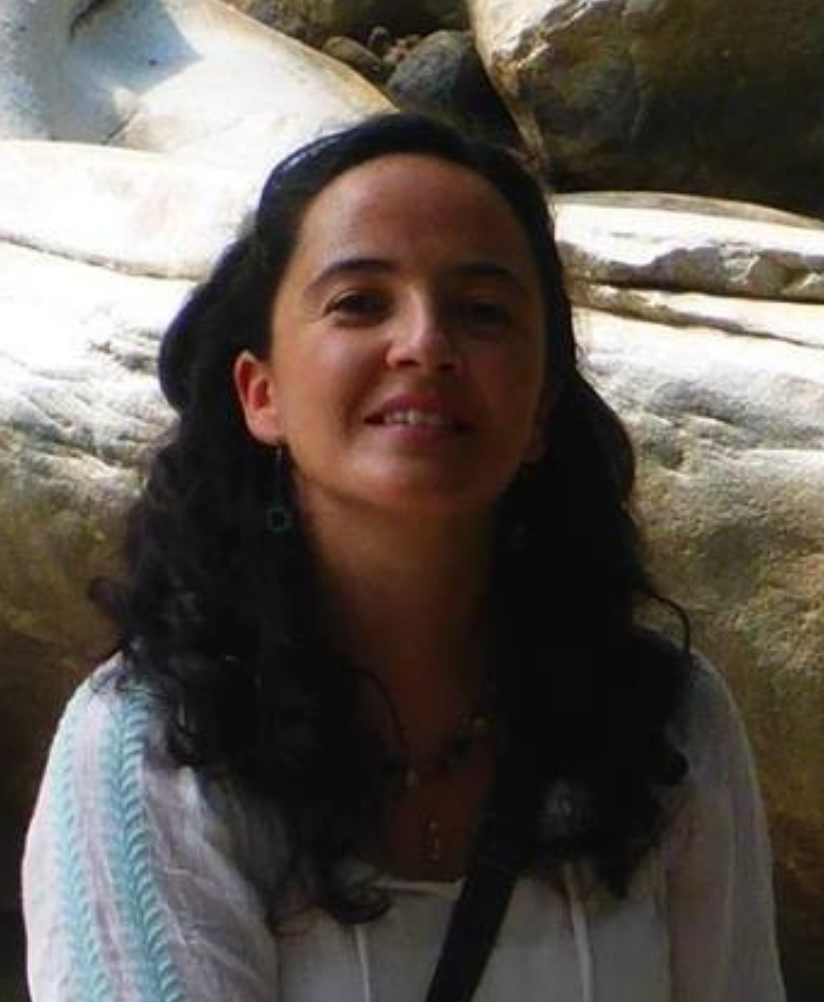
Below you can find Yuluka Kankurua's (L.O Circulo de Administración y Finanza, Casa Latina) interview about resilience, regenerative practices and much more!
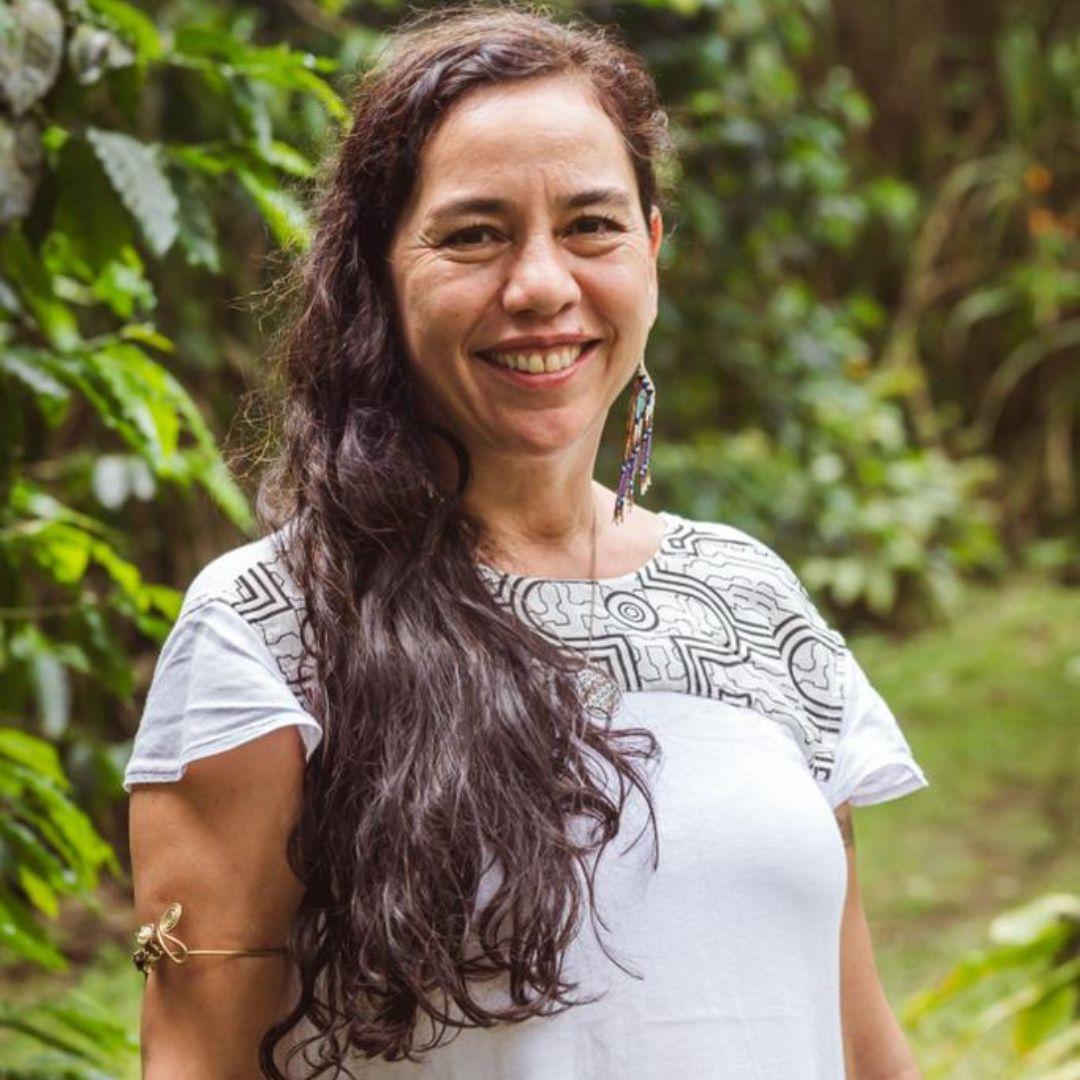
How did you first learn about or get involved with a regenerative way of living?
Yuluka: I was living in a farm of my taita by myself, 2 dogs and 10 chickens. No electricity and no phones. There were 3 books; Bill Mollison, Fukuoka and a booklet from a permaculture from El bolsón Argentina.
How did Casa Latina start? What was the vision and inspiration behind it?
Yuluka: Before CASA was ENA as a network from all Americas. CASA Latina started to be able to communicate between people in Spanish and Portuguese and including not only ecovillages but all kind of sustainable settlements
What were some of the key challenges you faced when first envisioning the ecovillage, and how did you overcome them?
I was not there when people envisioned Aldeafeliz but the first challenge is to be able to make agreements
How do you define "resilience"?
Ability to flow and move forward ༄
How do ecovillages of GEN Casa Latina "weave" together social, ecological, and economic resilience to help communities stay strong during the current climate and other crises around the world?
We share time, learnings and a lot of love💙
What can the ecovillages experiences teach the world about resilience?
That we can weave cohesion, solidarity and love. We are there one for each other 🙌
How do you manage energy, water, and waste in a way that’s in harmony with the environment? And how to make them more resilient? What challenges have you faced in implementing these systems?
In Aldeafeliz we use the local network, water from 2 different sources and we try to not make waste. Lots of recycling, re use and specially reduce (not buy)
Could you tell us a bit more about Casa Latina. How many communities are part of it?
The members of CASA Latina are not communities but the “national CASAs” (Argentina, Brasil Ecuador, Peru , Colombia Uruguay Chile Republica Dominicana Mexico - and Paraguay and Guatemala that are new).
What are some of the main principles?
Taking care of life and we believe in Buen Vivir, Peace and Rights of Nature 🌿
How do people come to you?
Through the nationals networks 🙏
To learn more about how to embody and weave resilience, Gaia Education is offering an online course in partnership with Global Ecovillage Network (GEN) at the moment where you will gain practical tools on how to become more resilient in the times we live in.
More information below! Starts 23rd March 2026
I want to know more about Weaving Resilience online course!

0 comments
Leave a comment